BlockBlast100
Game content not available
Tetro Merge

Tetro Merge

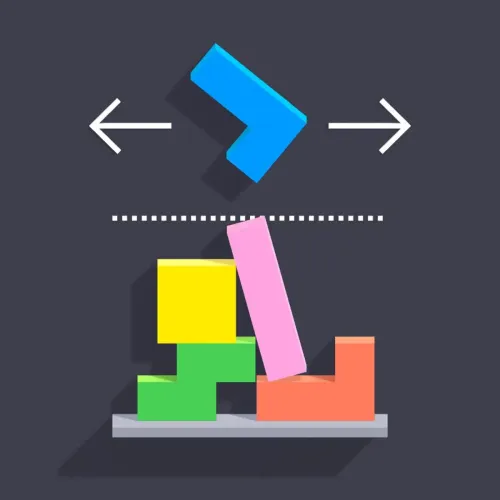
Tetro Merge is a physics-based mobile puzzle game where players drop Tetromino-shaped blocks into a play area and merge identical pieces to form higher-tier blocks. The game includes classic Tetromino shapes and custom block configurations. Players time drops, plan placements strategically, and trigger chain reactions to clear space and advance through increasingly complex levels.

Game Details

  • PlatformBrowser (desktop, mobile, tablet)
  • TechnologyHTML5 (Unity WebGL)
  • Release Date2024
  • Last Updated2024

What Is Tetro Merge?

What Is Tetro Merge?

Tetro Merge is a physics-based puzzle game that blends classic Tetromino block mechanics with merge gameplay to create a uniquely strategic experience. You drop blocks into a designated play area, where physics governs every interaction, making each placement decision consequential. When matching blocks connect, they merge, advancing your progress through increasingly complex puzzles.

What sets this tetro merge game apart is its combination of familiar Tetromino shapes with entirely new custom block configurations. This variety forces you to think several moves ahead, balancing immediate placement needs against longer-term merge strategies.

You can play free online without downloads or installations, making it immediately accessible. The game features a level-based progression system where difficulty scales meaningfully, keeping you consistently challenged. Players can also pursue higher scores by developing efficient merging techniques that maximize block combinations within the play area.

To experience the full gameplay, play on blockblast100.com, where the physics engine and block variety come together to deliver a rewarding puzzle-solving experience worth your time.

How the Core Merge Mechanic Works

How the Core Merge Mechanic Works

The merge mechanic operates on a single core principle: two identical blocks that make contact combine into one evolved block. When you drop a Tetromino into the play area, gravity pulls it into position. If it lands against a matching block, the merge triggers automatically, producing a higher-tier block.

This chain reaction is where strategy becomes essential. Each merged block can itself merge again if it contacts another identical piece, creating cascading combinations that clear space and advance your progression.

You're not just dropping blocks randomly — you're engineering collisions.

The physics engine makes this unpredictable in rewarding ways. Blocks shift, stack, and settle dynamically, meaning a single drop can trigger multiple merges simultaneously. You'll need to anticipate how each Tetromino's shape affects the surrounding blocks upon landing.

Understanding merge sequencing separates deliberate players from reactive ones. The mechanic rewards foresight, not just reflexes. A key part of long-term success is avoiding a full board, since running out of space ends your ability to trigger further merges or advance your score.

How to Drop and Place Blocks Correctly

How to Drop and Place Blocks Correctly

When you drop a Tetromino block, timing matters—releasing too early or too late can disrupt potential merges and waste valuable board space.

You'll want to study the play area before committing to a placement, since physics interactions can shift blocks in unexpected ways once they land.

Strategic positioning means anticipating how each block's shape interacts with existing pieces, setting up chain merges rather than reacting to problems after they develop.

Understanding block placement rules helps you consistently position pieces where they'll contribute to larger combinations rather than creating isolated clusters that are difficult to clear.

Timing Your Block Drops

Mastering 3 key timing principles can mean the difference between a clean merge and a chaotic pile-up in Tetro Merge.

First, observe existing blocks before releasing yours. Dropping too quickly creates awkward stacks that block future merge opportunities.

Second, watch the physics settle. After each drop, blocks shift and reposition based on gravity. Releasing your next piece before the board stabilizes leads to misaligned placements you didn't intend.

Third, anticipate chain reactions. Certain block placements trigger multiple merges simultaneously. If you drop prematurely, you'll interrupt a sequence that could've cleared significant space.

Timing isn't about speed—it's about reading the board accurately. Slow down, assess your current layout, and identify where your next block creates the most strategic advantage before committing to any drop.

Positioning Blocks Strategically

Positioning your blocks correctly separates players who consistently build clean, merge-ready structures from those who constantly dig themselves out of cluttered boards.

Always prioritize placing blocks where they'll connect with identical pieces, creating immediate merge opportunities rather than isolated stacks. Study the board's existing layout before each drop, identifying gaps where specific shapes naturally fit without disrupting your merging pathways.

Avoid corners and edges unless you're deliberately funneling pieces toward a merge zone. Flat, stable bases allow subsequent blocks to land predictably, giving physics fewer opportunities to send pieces tumbling into awkward positions.

When you're working with irregular custom shapes, rotate them before dropping to find their most space-efficient orientation. Every placement decision compounds, so treat each block as part of a larger structural plan rather than an isolated action.

Every Tetromino Block Shape in Tetro Merge

Every Tetromino Block Shape in Tetro Merge

Tetro Merge features a diverse roster of block shapes that directly influences how you approach every placement decision. You'll encounter the classic Tetromino shapes — the I, O, T, S, Z, L, and J pieces — each carrying distinct spatial footprints that demand different strategic considerations.

Beyond the classics, the game introduces extended Tetromino variations that stretch familiar configurations into new orientations. These expanded shapes challenge your spatial reasoning and force you to rethink standard placement habits.

Tetro Merge also introduces brand-new custom block shapes that don't follow traditional Tetromino conventions. These unique pieces create unexpected merging opportunities and complicate your planning process considerably.

Understanding each shape's merge potential is critical. Certain configurations align naturally, triggering chain reactions that accelerate your progression.

Others require patient setup before they yield results. Mastering every shape's behavior — how it falls, stacks, and interacts — gives you a measurable competitive advantage throughout every level.

How Physics Shapes Your Placement Decisions

How Physics Shapes Your Placement Decisions

Everything in Tetro Merge's physics engine reacts with consistent, predictable logic — and once you internalize that logic, it transforms how you read each placement opportunity. Blocks don't just stack; they settle, shift, and interact based on weight distribution and surface contact. That behavior directly influences where you should drop each piece.

Once you internalize Tetro Merge's physics logic, every placement opportunity transforms — blocks settle, shift, and interact predictably.

You'll notice that irregular shapes create unstable configurations if placed carelessly. A poorly angled Tetromino can leave gaps that prevent future merges or cause cascading collapses at the worst moments. Smart placement means anticipating how gravity pulls each block into position before you commit.

Use the physics to your advantage. Intentional stacking creates stable merge-ready clusters, while reckless drops fragment your board and limit your options.

Every decision compounds — a single misread placement can lock you out of several merge opportunities ahead. Read the board, predict the settle, then act.

How to Trigger Merges and Chain Reactions

Once your placement reads are solid, the next layer of the game opens up — triggering merges and, better yet, chaining them. A merge happens when matching blocks connect after a drop, combining into a higher-tier block. The key is positioning identical pieces so they land in direct contact.

Chain reactions are where strategy gets interesting. When a merge creates a new block, that block can immediately touch another matching piece, triggering a second merge without any additional input from you. These cascades clear space and accelerate progression dramatically.

To set up chains deliberately, you'll need to think two or three drops ahead. Stack compatible blocks in adjacent columns, then use a well-placed piece to collapse them together.

Physics works in your favor here — falling merged blocks can shift position slightly, connecting with pieces you'd already set up. Read the board, anticipate the collapse, and let the chain do the work.

Tips to Plan Smarter Tetro Merge Combos Early

Early planning separates reactive players from strategic ones — and in Tetro Merge, you can't afford to wait until the board gets crowded to start thinking ahead. Study the incoming block queue before placing anything. Knowing what's coming lets you position current blocks to support future merges rather than just filling empty space.

Group similar blocks near each other intentionally. Isolated matches waste movement and limit chain reaction potential. Instead, cluster matching shapes in zones where they'll connect naturally as the board fills.

Prioritize clearing lower sections first. Keeping the bottom organized creates stable merge opportunities without blocking critical pathways above.

Don't chase immediate merges if a slight delay sets up a stronger chain. Sometimes holding a position open for one more block triggers a multi-merge sequence worth far more than an early, isolated combination.

Thinking two to three moves ahead consistently transforms average runs into high-scoring, chain-heavy sessions.

Common Tetro Merge Block Placement Mistakes

When you force incompatible block shapes into tight spaces, you create structural gaps that make future merges nearly impossible to execute.

You'll often compound this error by rushing merge attempts before you've properly positioned supporting blocks, leaving your play area cluttered and your options severely limited.

Recognizing these two mistakes—ignoring shape compatibility and timing merges poorly—gives you a clearer framework for diagnosing why your current strategy keeps breaking down.

Ignoring Block Shape Compatibility

Every Tetromino shape has natural pairing potential with specific configurations. An L-shaped block won't merge cleanly against a straight piece unless you've positioned both intentionally.

You need to evaluate incoming shapes against what's already sitting in your play area.

Train yourself to ask one question before each drop: does this shape complement what's below? That single habit eliminates most compatibility errors and keeps your merge opportunities consistently open.

Poor Merge Timing Decisions

Timing a merge too early ranks among the most costly mistakes you'll make in Tetro Merge. Triggering a merge before ideal block alignment wastes valuable combination opportunities and leaves your play area cluttered with awkward configurations.

You'll often find yourself unable to place subsequent blocks effectively, accelerating your path toward failure. Conversely, waiting too long creates equally damaging consequences. Blocks accumulate faster than you can manage, eliminating the breathing room you need for strategic placement.

You've got to read the board constantly, identifying the precise moment when merging delivers maximum spatial benefit. The strongest players treat merge timing as a calculated decision, not a reactive one.

Anticipate incoming blocks, assess your current layout, and execute merges when they genuinely open strategic possibilities rather than simply because the option exists.

How Difficulty and Block Complexity Escalate Each Level

As you advance through Tetro Merge, the game systematically raises the stakes by introducing more complex block shapes and tighter placement constraints. Early levels feature familiar Tetromino configurations, giving you room to experiment with basic merge strategies.

But as you progress, custom and extended block shapes appear, demanding sharper spatial awareness and faster decision-making.

The play area also becomes less forgiving. Gaps that once seemed manageable now create cascading problems, forcing you to think several moves ahead. Each level adds layers of complexity by combining physics-based interactions with increasingly restrictive merge objectives.

You'll notice that block combinations required for progression become more intricate, leaving less margin for error. The escalating difficulty isn't random — it's deliberately structured to challenge your adaptability.

Understanding how each level builds on the previous one helps you anticipate upcoming obstacles and adjust your placement strategy before the board becomes unmanageable. In Tetra Blocks-style games, successfully arranging block shapes into clean rows or patterns is the foundational skill that becomes increasingly tested as levels advance.

Advanced Tetro Merge Strategies for Harder Levels

Surviving harder levels in Tetro Merge requires you to shift from reactive placement to deliberate, multi-step planning. You can't just drop blocks and hope for favorable merges—you need to read the board several moves ahead.

Prioritize creating open columns for larger Tetromino shapes before they appear. Leaving strategic gaps allows complex blocks to slot in cleanly rather than disrupting your existing structure.

Chain merges are your most powerful tool. Instead of triggering single merges, position blocks so one merge immediately sets up another. This accelerates progression and prevents board clutter from spiraling out of control.

Watch how physics affects stacked blocks after each merge. Shifting weight can collapse carefully arranged sections, so account for post-merge movement when planning placements.

Finally, don't rush. Harder levels punish impulsive decisions faster than earlier stages. Taking an extra moment to evaluate each drop separates players who stall from those who advance.

Tetro Merge: Frequently Asked Questions

The provided knowledge doesn't specifically address internet connectivity requirements for Tetro Merge.

However, since it's a physics-based puzzle game focused on dropping and merging Tetromino blocks, it likely functions as an offline experience.

You can typically enjoy the block-placement strategy and merge mechanics without a connection.

To confirm the exact requirements, you'd want to check the game's official store listing or documentation.

The knowledge base doesn't confirm Tetro Merge's availability on iOS, Android, or both platforms.

You'll want to check the App Store or Google Play Store directly to verify its availability on your preferred device.

Searching either platform's marketplace will give you the most accurate, up-to-date information about where you can download and play the game.

Like a town crier halting the public square, you can pause Tetro Merge levels whenever you need a break.

The game's design respects your time, letting you step away mid-puzzle without losing progress. When you're ready, you simply resume exactly where you left off.

This flexibility lets you carefully analyze block placements and merge strategies without pressure, making your tactical decision-making sharper and more deliberate.

Based on the available information, Tetro Merge doesn't appear to include multiplayer or competitive game modes.

You'll experience it as a single-player, physics-based puzzle game where you focus on dropping and merging Tetromino blocks strategically.

Your challenges come from escalating puzzle difficulty and tactical block placement rather than competing against other players.

The game's design prioritizes individual problem-solving and progressive puzzle mastery over head-to-head competition.

Studies show 79% of mobile games include in-app purchases, and Tetro Merge likely follows this trend.

While specific premium content details aren't confirmed in available data, you'll typically encounter optional purchases that enhance your experience—like additional block shapes, level openings, or progression boosters.

These purchases aren't mandatory for core gameplay, so you can still enjoy the physics-based puzzle mechanics and merge challenges without spending extra money.

Tetro Merge – BlockBlast100