BlockBlast100
Game content not available
Stacktris

Stacktris

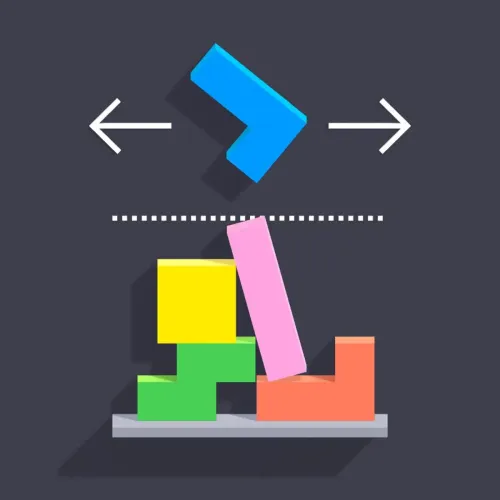
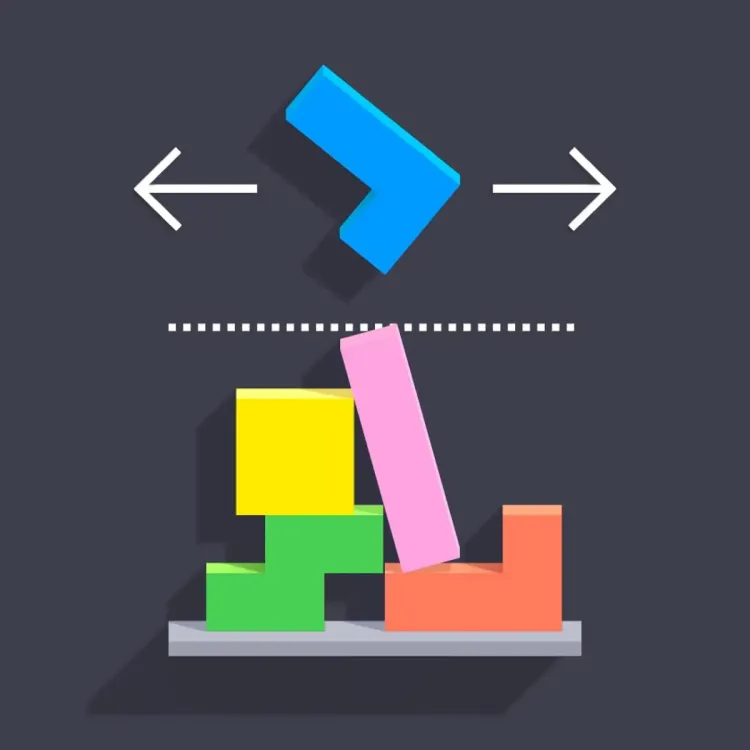
Stacktris is a free browser-based arcade puzzle game where players stack spinning tetrominoes as high as possible without dropping a single block off the edge. Created by Martin Magni and available on Poki and the Fancade app, the game combines classic Tetris mechanics with precision tower-stacking gameplay where one misaligned placement ends the run immediately.

Game Details

  • PlatformBrowser (desktop, mobile, tablet)
  • TechnologyHTML5 (Unity WebGL)
  • Release Date2024
  • Last Updated2024

What Is Stacktris and Who Made It?

What Is Stacktris and Who Made It?

Stacktris is a browser-based arcade puzzle game that blends the classic Tetris experience with tower-stacking mechanics, challenging you to build the highest tower possible without letting a single block fall. The game puts a modern spin on a familiar concept, turning the classic puzzle formula into a precision-driven stacking challenge that tests your timing, balance, and focus.

Stacktris blends classic Tetris with tower-stacking precision, challenging your timing, balance, and focus one block at a time.

You'll navigate spinning tetrominoes that rotate at increasingly faster speeds, demanding quick decisions and sharp reflexes at every stage. One misplaced block ends everything, which keeps the tension high and each attempt feel meaningful.

Martin Magni designed and created Stacktris, which later became part of Fancade's rotating game library. The stacktris game has since expanded across multiple platforms, letting you play free online without any cost or download.

You can play on blockblast100.com directly in your browser, making it instantly accessible on both desktop and mobile devices.

How Stacktris Differs From Classic Tetris

How Stacktris Differs From Classic Tetris

While classic Tetris challenges you to fit falling blocks into complete horizontal lines, Stacktris flips the objective entirely — you're building a tower as high as possible without letting a single block tumble off.

The spinning mechanic sets it apart further, forcing you to time your clicks or taps precisely as tetrominoes rotate at increasingly faster speeds. Instead of clearing rows, you're managing balance and placement, which shifts the cognitive challenge from pattern recognition to physical precision and structural awareness.

Spinning Blocks Mechanic

Unlike classic Tetris, where blocks fall in fixed orientations that you can rotate at will, Stacktris strips away that control and forces you to react to blocks that spin continuously on their own.

You're no longer planning moves — you're timing them.

The spinning mechanic introduces three distinct pressure points:

  • Speed escalation — blocks spin faster as your tower grows, shrinking your reaction window

  • Tap-to-stop control — a single click or tap freezes the block's orientation, committing you to that angle

  • Precision placement — one misaligned block can destabilize your entire tower, ending your run instantly

This shift from strategic rotation to reflex-based timing transforms the familiar Tetris formula into something far more nerve-wracking and unpredictable.

Tower Stacking Focus

That reflex-based timing doesn't just change how you play — it redefines what you're even playing for. Classic Tetris tasks you with clearing horizontal lines to prevent overflow.

Stacktris flips that entirely. Your goal isn't clearing — it's building.

You're constructing a tower as high as possible without letting a single block tumble off. Every placement matters structurally, not strategically in the Tetris sense. There's no scoring lines or managing a grid. Instead, you're managing balance, physics, and accumulating height under increasing pressure.

That shift transforms the experience from pattern recognition into precision engineering. You're not reacting to a filling board — you're architecting upward while the game actively fights your control.

The challenge isn't collapse from below; it's collapse from the sides.

How Stacktris's Core Stacking Mechanic Works

How Stacktris's Core Stacking Mechanic Works

Stacktris builds its entire challenge around one deceptively simple action: stopping a spinning tetromino at exactly the right moment. Each block rotates at increasing speeds, demanding sharper timing as your tower grows taller.

Here's how the core mechanic breaks down:

  • Stop the spin — Click or tap to freeze the tetromino's rotation, locking in its orientation before it drops.

  • Reposition precisely — Use keyboard arrows or drag gestures to horizontally align the block above your existing structure.

  • Release and commit — Drop the piece and hope your placement keeps every block balanced on the platform.

The real pressure builds because a single misplaced piece that slides off ends your run immediately.

You're not just racing against speed — you're managing geometry, balance, and split-second decisions simultaneously.

Each successful placement rewards precision while punishing carelessness, making every new block a calculated risk worth taking.

Stacktris is a browser-based puzzle game that blends classic stacking mechanics with Tetris-inspired gameplay to create a uniquely casual yet demanding experience.

What Happens When a Block Falls Off?

What Happens When a Block Falls Off?

In Stacktris, you get absolutely no margin for error — if even a single block tumbles off the platform or tower, the game ends immediately.

There's no warning system, no recovery option, and no second chances waiting to bail you out. This ruthless mechanic forces you to treat every placement decision as critical, since one miscalculation wipes out everything you've built.

Instant Game Over

One misstep in Stacktris ends your run immediately. There's no second chance, no warning, and no recovery window. The moment a single block slips off the platform or tower, the game declares it over. This unforgiving mechanic is what makes every placement decision genuinely high-stakes.

The instant game over rule creates meaningful tension because:

  • Every block mattersone careless drop erases all your progress regardless of tower height

  • Speed compounds the risk — tetrominoes spin faster as you advance, shrinking your reaction window

  • Precision outweighs speed — rushing a placement to beat the spin often causes the very mistake you're avoiding

Understanding this consequence pushes you to develop sharper timing and more deliberate control with each attempt.

No Second Chances

When a single block falls off the platform in Stacktris, your run ends immediately — no warning, no recovery, no exceptions. The game doesn't offer checkpoints, lives, or mercy rounds. One miscalculation wipes everything you've built.

This zero-tolerance design isn't arbitrary. It forces you to treat every placement with genuine precision, not casual guessing. As blocks spin faster, the margin for error shrinks, and that unforgiving rule becomes increasingly demanding. You can't afford complacency at any height.

This mechanic also amplifies the psychological pressure. Knowing one mistake ends everything makes each tap feel consequential. You're not just stacking blocks — you're managing risk under escalating stress.

That tension is exactly what makes Stacktris compelling, rewarding players who stay focused while immediately punishing those who don't.

Stacktris Controls for Desktop and Mobile

Stacktris Controls for Desktop and Mobile

Stacktris offers two distinct control schemes depending on your device, each designed to match its platform's natural input method.

On desktop, you'll use your mouse and keyboard to manage every placement with precision:

  • Left-click stops the spinning tetromino mid-rotation

  • A/D keys or arrow keys shift the block horizontally into position

  • Releasing the mouse drops the block onto the tower

Mobile players interact through touch gestures instead. A long-press halts the spinning block, a horizontal drag repositions it, and releasing your finger drops it into place.

Both schemes share the same underlying logic — stop, position, drop — but each feels native to its platform.

Desktop gives you mechanical precision through keyboard control, while mobile relies on intuitive gesture-based movement.

Regardless of your device, the real challenge isn't learning the controls; it's executing them accurately as blocks spin faster with every successful placement.

Every Stacktris Game Mode and What It Adds

Beyond the core stacking experience, Stacktris expands its gameplay through distinct modes that each layer something new onto the base formula. The standard mode keeps things focused — you're stacking tetrominoes as high as possible while managing increasingly fast spin speeds and precise placement.

Battle mode shifts the dynamic entirely. Developed by Mathias Elgaard and Martin Magni, it introduces a shop system where you can make purchases and collect coins during specific turns. That added economy forces you to think beyond just placement — you're now managing resources alongside your stacking strategy.

The progression system also reveals upgrades as you advance, giving you tangible rewards for improving your performance.

Visual customization options let you personalize your experience further, making each session feel slightly more your own.

Together, these modes transform Stacktris from a single-concept puzzle into a layered game that rewards both precision and strategic thinking across different play styles.

How Coins and Upgrades Actually Work in Stacktris

During Battle mode, coins occasionally appear on specific turns, and collecting them feeds directly into the shop system where you spend resources on purchases that shape your strategy. This mechanic transforms a simple stacking challenge into a resource management layer that rewards precision and intentional play.

The upgrade system gives you meaningful choices that compound over time:

  • Coin collection timing — coins appear on designated turns, so consistent stacking keeps you eligible for each opportunity

  • Shop purchases — you spend collected coins on upgrades that directly influence how you handle increasingly fast-spinning tetrominoes

  • Strategic customization — visual styling options and gameplay enhancements let you tailor the experience to your playstyle

Every coin you miss is a purchase you can't make, so accuracy matters beyond just keeping blocks on the tower.

The upgrade loop creates a satisfying progression that makes each run feel distinctly different from the last.

Where to Play Stacktris Free Right Now

Finding a free version of Stacktris is straightforward — you've got two main options depending on how you like to play.

If you're on a desktop or laptop, head straight to Poki. It's browser-based, so there's nothing to download — just open the page and start stacking. It runs smoothly on modern browsers and requires no account or payment.

If you prefer mobile play, Fancade is your best bet. Available as an app, Fancade hosts Stacktris as part of its Quest collection alongside a rotating library of daily games. It supports both phones and tablets, making it a solid pick for on-the-go sessions.

Both platforms offer the full experience at no cost. The core difference is context — Poki suits quick desktop sessions, while Fancade fits better into a mobile gaming routine.

Either way, you're accessing the same game Martin Magni originally designed, without paywalls blocking your progress.

Tips to Stack Higher in Stacktris Without Losing

Once you've found your platform and loaded up the game, actually lasting long enough to build a serious tower is the real challenge. Stacktris punishes hesitation and rewards sharp timing, so developing a consistent strategy early makes a significant difference.

  • Stop the spin early. As blocks rotate faster with each level, click or tap the moment the tetromino reaches your preferred angle — don't wait for a "perfect" pass.

  • Prioritize flat placements. L-shapes and S-shapes create unstable edges, so position them horizontally whenever possible to maintain a level stacking surface.

  • Center every block. Placing pieces toward the middle of your tower reduces overhang risk and keeps your structure balanced against physics shifts.

You'll also want to stay calm as speed increases — panic clicks lead to awkward rotations and poor drops. Treat each block as a deliberate decision rather than a reaction.

Stacktris: Frequently Asked Questions

Stacktris doesn't exactly scream "social butterfly," but it does offer a Battle mode variant developed by Mathias Elgaard and Martin Magni that introduces competitive elements.

While it's not traditional friend-vs-friend multiplayer, you'll find this mode includes a shop system and coin collection mechanics that add a competitive layer.

For pure cooperative play with friends, though, you're mostly stacking solo.

Yes, you can play Stacktris offline! The game supports both offline and online play, so you don't always need an active internet connection.

It's available through the Fancade app, which enables native offline access on your device.

However, if you're playing the browser-based version on Poki, you'll need internet connectivity.

Downloading it through Fancade is your best bet for reliable offline gameplay anytime.

Like ancient artisans personalizing their craft, you can indeed access visual customization and styling options as you progress through Stacktris.

The game features cosmetic upgrades that let you personalize your experience. In Battle mode, you'll actively use the shop system to purchase different visual elements, giving your tower-building sessions a fresh aesthetic.

These accessible styles keep your gameplay feeling dynamic and rewarding beyond just chasing high scores.

Mathias Elgaard collaborated with Martin Magni on the Battle mode version of Stacktris.

Together, they built upon the core stacking mechanics you're already familiar with, adding a competitive layer that includes a shop system and coin collection mechanics.

It's a notable expansion from the solo experience, showing how a second creative mind can transform a straightforward puzzle game into something with deeper strategic dimensions.

Yes, Stacktris shines across multiple curated platforms.

Picture your favorite games lined up like gleaming trophies — Stacktris sits proudly among them. You'll find it featured in Fancade's Quest game collection, where it's also part of their daily rotating new games library.

You can access it free-to-play on Poki, and it's available both as a browser-based game and a native app through Fancade.

Stacktris – BlockBlast100